

Table of Contents
Income, investing and runway facts from 700+ providers

The startup ecosystem has long gone as a result of some sizeable modifications about the very last couple of months, and founders want to comprehend existing ailments to effectively prepare for the long run.
I serve the accounting and fiscal organizing needs of much more than 750 startups, which presents me with a one of a kind placement to assistance founders keep knowledgeable about the unique factors that have an effect on funding, valuations, investing, startup management and other traits in the startup financial system.
The facts in this report is not from a study — it’s developed instantly from anonymized accounting information from additional than 700 of our purchasers. As this kind of, it is not matter to any optimistic pondering bias that so lots of startup founder surveys have.
Capital is tightening, forcing startups to react
Minimal desire charges above the last ten years have fueled growth and boosted startup valuations throughout each individual marketplace. But in June 2022, the fee of inflation peaked at 9.1%. In reaction, the Federal Reserve drastically amplified fascination costs, bringing straightforward entry to cheap revenue to an finish.
Startups included in this dataset elevated extra than $4 billion in 2021 but only in the substantial $2 billion vary in 2022 — a remarkable drop.
The conclusion of straightforward revenue is forcing founders to respond. Startups that could possibly have very easily gotten venture funding in the previous are likely to have to get imaginative to increase their money runway. The charts under contrast startup income, spending and runway in 2021 and 2022 in four sectors: program/SaaS, e-commerce, healthcare and fintech.
Startups are extending their runways
In basic, the dollars placement of most startups remains strong, with some important nuances.
We check out the money situation and runway of our startup customers incredibly closely, as their buyers (and savvy founders) deeply care about this metric.
The knowledge in this report is not from a survey — it’s established specifically from anonymized accounting facts from 700+ of our clients.
At the starting of 2019, the typical startup experienced 19.6 months of runway. As of Jan. 1, 2023, the average has enhanced to 23.4 months of runway. This directly demonstrates the expenditure reductions found in 2022, moreover the file amounts of funding raised by startups more than the past two several years.
Even so, the typical can disguise some vital nuances.
There are other implications to this watchful dollars administration as well — startups may not be in a posture to employ, for example. A different expense that startups are aggressively minimizing is hire, deciding upon to embrace remote function — our clientele expended about 7% of their bills on lease pre-COVID, but we have viewed that price drop to just over 3% at the starting of 2023.
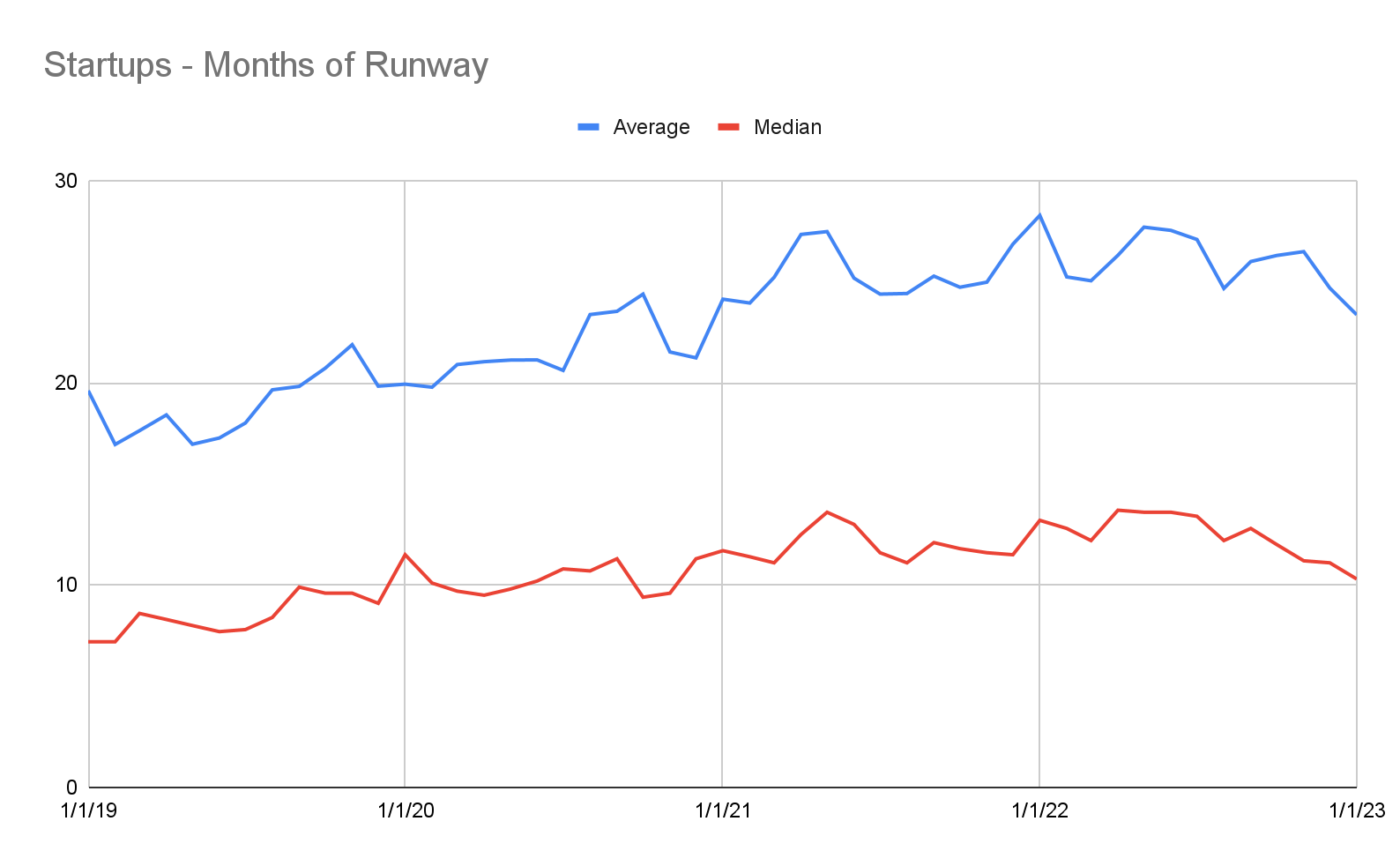
Typical/median months of runway remaining. Picture Credits: Kruze Consulting
Early-stage corporations are slicing back
Though nearly all early-phase companies have reduced their burn up prices in 2022, fintech reveals the biggest cuts to spending, reflecting the downturn in revenues at the end of 2022. Dealing with an uncertain financial setting and possible fundraising worries, startups are plainly looking to extend their runways by lowering charges.
Founders will need to shift from a “growth at all costs” mentality to aim on sustainable progress. Which is likely to demand cautious income management and cautious paying.
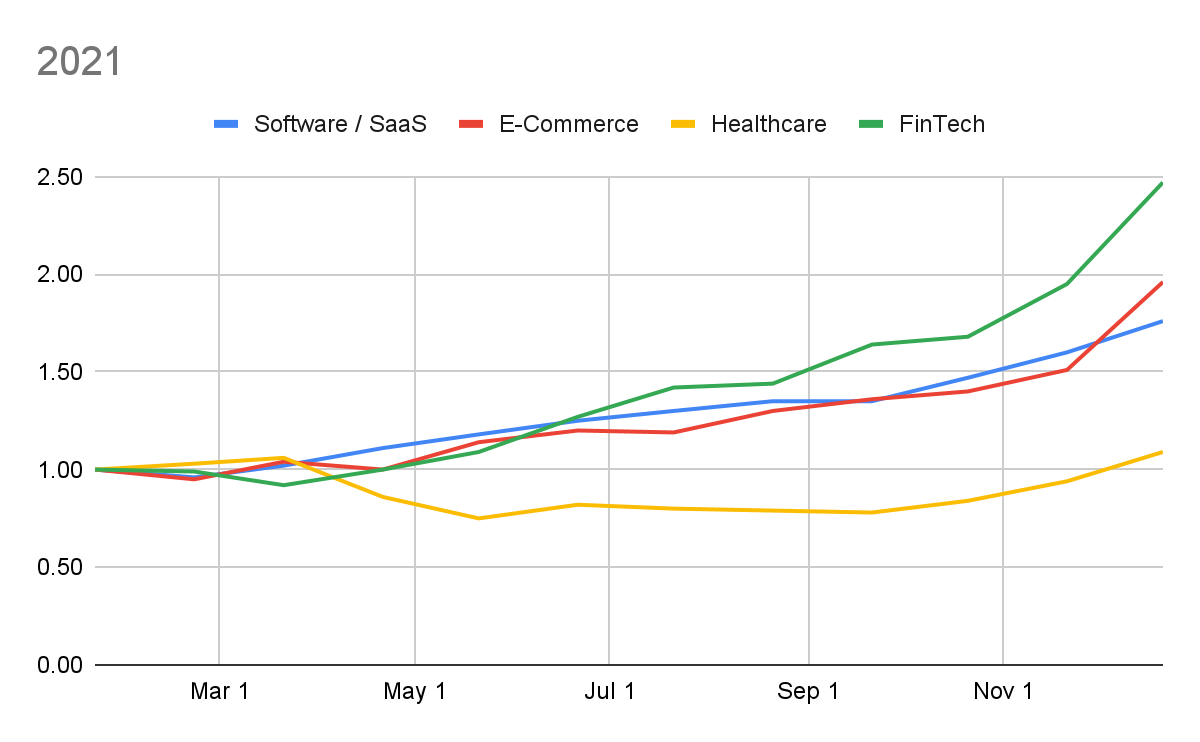
2021 startup profits. Impression Credits: Kruze Consulting


More Stories
Well being tech essential for rural health care, but not a ‘silver bullet,’ summit panelists contend –
Health+Tech Podcast Series | McGuireWoods
Payer Insights Method Highlights How Payers and Tech Associates Are Considering About AI, Health and fitness Fairness, and the Client Experience