
Table of Contents
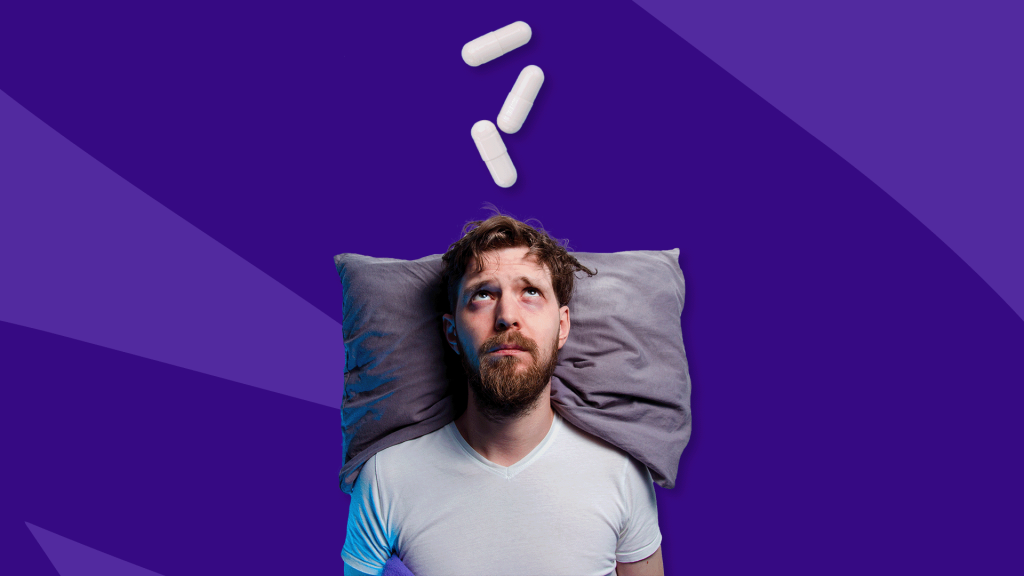
If you’ve ever struggled with sleepless nights, you’re not alone. Insomnia affects millions of people worldwide, leading to fatigue, decreased productivity, and even potential health issues. Fortunately, there are various types of medicines available to help you get the restful sleep you need. In this article, we will explore safe sleeping pills, both with and without a doctor’s prescription, and provide tips for their safe consumption.
Sleeping Pills: A Brief Overview
Sleeping pills, also known as sleep aids or hypnotics, are medications designed to help individuals fall asleep, stay asleep, or improve the overall quality of sleep. They can be a valuable short-term solution for managing insomnia, but it’s crucial to use them responsibly and in consultation with a healthcare professional.
Insomnia is a common sleep disorder characterized by difficulty falling asleep, staying asleep, or experiencing non-restorative sleep. It can be caused by various factors, including stress, anxiety, medical conditions, medications, or lifestyle habits. While non-medical approaches such as improving sleep hygiene and managing stress are essential for managing insomnia, some individuals may benefit from the short-term use of sleeping pills to break the cycle of sleeplessness and improve sleep quality.
Sleeping Pills with a Doctor’s Prescription
Prescription sleeping pills are typically stronger than over-the-counter options and should only be used under the guidance of a qualified medical practitioner. These medications are classified into several categories based on their mechanism of action:
1. Benzodiazepines
Benzodiazepines are a class of drugs that act as central nervous system depressants. They work by enhancing the effects of gamma-aminobutyric acid (GABA), a neurotransmitter that induces relaxation and drowsiness. Common benzodiazepines used for insomnia include Diazepam, Lorazepam, and Temazepam. Due to the risk of dependence and withdrawal, benzodiazepines are usually prescribed for short-term use.
2. Non-Benzodiazepine Hypnotics
Non-benzodiazepine hypnotics, also known as Z-drugs, are similar to benzodiazepines in their effects but have a different chemical structure. Zolpidem (Ambien), Zaleplon (Sonata), and Eszopiclone (Lunesta) are popular non-benzodiazepine hypnotics. They are generally considered safer for short-term use, with reduced risk of dependence compared to benzodiazepines.
3. Melatonin Receptor Agonists
Melatonin receptor agonists work by targeting the body’s melatonin receptors, which regulate the sleep-wake cycle. Ramelteon (Rozerem) is an example of a melatonin receptor agonist commonly used to treat insomnia. These medications may be suitable for individuals who have difficulty falling asleep but not for those with trouble staying asleep.
Over-the-Counter Sleeping Pills
Over-the-counter (OTC) sleeping pills are available without a prescription, making them more accessible to the general public. They are generally considered milder than prescription options and can be effective for occasional sleep disruptions. However, users should still be cautious and adhere to the recommended dosage and usage guidelines. OTC sleeping pills usually fall into two categories:
1. Antihistamines
Antihistamines, commonly used to relieve allergies, have sedative effects that can promote sleepiness. Examples of OTC sleeping pills containing antihistamines include diphenhydramine (Benadryl) and doxylamine succinate (Unisom). While they can help with short-term sleep issues, long-term use may lead to tolerance and reduced efficacy.
2. Herbal Supplements
Herbal supplements, such as valerian root, chamomile, and passionflower, are natural remedies believed to promote relaxation and sleep. These options are generally considered safer due to their natural origin. However, it’s essential to consult with a healthcare professional, especially if you are taking other medications or have existing health conditions.
How Sleeping Pills Work
Understanding how sleeping pills work can help users make informed decisions about their usage. Different types of sleeping pills target specific aspects of the sleep process:
- Benzodiazepines and Z-drugs: These drugs enhance GABA activity in the brain, leading to sedation and relaxation.
- Melatonin Receptor Agonists: They mimic the action of the hormone melatonin, which regulates the sleep-wake cycle.
- Antihistamines: By blocking histamine receptors, antihistamines induce drowsiness and promote sleep.
- Herbal Supplements: Natural sleep aids often contain compounds that have calming and sleep-promoting effects on the body.
Sleeping Medication Side Effects
While sleeping pills can be beneficial for managing insomnia, they are not without potential side effects. Understanding these side effects can help users make informed choices:
- Daytime Drowsiness: Some sleeping pills can cause lingering drowsiness the next day, affecting productivity and safety.
- Dizziness and Balance Issues: Users may experience dizziness and problems with coordination, increasing the risk of falls.
- Gastrointestinal Disturbances: Common side effects include nausea, vomiting, and stomach discomfort.
- Allergic Reactions: Certain individuals may be allergic to specific ingredients present in sleeping pills.
- Dependency and Withdrawal: Benzodiazepines and some Z-drugs can lead to physical and psychological dependency if used for extended periods.
Tips for Safe Consumption of Sleeping Medicine
Safe and responsible usage of sleeping pills is crucial to avoid potential complications. Here are some tips for their safe consumption:
- Consult Your Doctor: Before starting any sleep medication, consult your doctor to determine the underlying cause of your insomnia and discuss the most suitable treatment options.
- Follow Dosage Guidelines: Adhere strictly to the recommended dosage and usage instructions provided by your healthcare provider or the medication label.
- Avoid Alcohol and Other Substances: Alcohol and certain medications can interact with sleeping pills, intensifying their effects or causing adverse reactions.
- Limit Frequency and Duration: Use sleeping pills for the shortest duration necessary and only when other non-medical approaches have proven ineffective.
- Don’t Drive or Operate Machinery: If you experience lingering drowsiness, avoid driving or operating machinery until you feel fully alert.
- Monitor Side Effects: Be vigilant about any side effects and inform your doctor promptly if you experience anything concerning.
- Avoid Abrupt Discontinuation: For prescription sleeping pills, work with your doctor to gradually taper off the medication to prevent withdrawal symptoms.
Non-Medical Sleep Solutions
While sleeping pills can be helpful, they should not be your sole reliance for a good night’s sleep. Incorporating non-medical sleep solutions into your routine can enhance the effectiveness of any medication and promote better sleep quality. Here are some proven strategies to improve your sleep naturally:
1. Create a Relaxing Bedtime Routine
Establishing a consistent bedtime routine signals your body that it’s time to wind down and prepare for sleep. Engage in calming activities before bed, such as reading a book, taking a warm bath, or practicing relaxation techniques like deep breathing or meditation. Avoid stimulating activities or bright screens in the hour leading up to bedtime, as they can disrupt your body’s natural sleep-wake cycle.
2. Maintain a Comfortable Sleep Environment
Your sleep environment plays a significant role in your ability to fall asleep and stay asleep. Make your bedroom conducive to rest by keeping it cool, dark, and quiet. Invest in a comfortable mattress and pillows that support your body, and use blackout curtains or eye masks if necessary to block out any excess light.
3. Stick to a Consistent Sleep Schedule
Try to go to bed and wake up at the same time every day, even on weekends. This helps regulate your body’s internal clock and improves the overall quality of your sleep. Consistency reinforces your natural sleep-wake cycle and reduces the likelihood of sleep disruptions.
4. Limit Daytime Naps
While short power naps can be refreshing, long or irregular daytime napping can interfere with your ability to fall asleep at night. If you feel the need to nap during the day, try to keep it to a maximum of 20-30 minutes and avoid napping too close to your bedtime.
5. Stay Active During the Day
Regular physical activity can promote better sleep. Engaging in moderate exercise during the day can help reduce stress and anxiety, making it easier to relax and fall asleep at night. However, avoid vigorous exercise too close to bedtime, as it can be stimulating and disrupt your ability to wind down for sleep.
6. Watch What You Eat and Drink
Be mindful of your diet, especially in the evening hours. Avoid heavy or spicy meals close to bedtime, as they can cause discomfort and disrupt sleep. Limit your intake of caffeine and nicotine, as both are stimulants that can interfere with falling asleep and staying asleep.
7. Manage Stress and Anxiety
Stress and anxiety are common culprits of sleep disturbances. Find healthy ways to cope with stress, such as practicing mindfulness, engaging in hobbies you enjoy, or talking to a friend or therapist. If racing thoughts keep you up at night, consider jotting them down in a journal to clear your mind before bedtime.
The Role of Cognitive Behavioral Therapy for Insomnia (CBT-I)
Cognitive Behavioral Therapy for Insomnia (CBT-I) is a non-medical, evidence-based approach that addresses the underlying psychological factors contributing to sleep difficulties. CBT-I is typically conducted by a trained therapist and involves various techniques to improve sleep quality, including:
1. Sleep Restriction
Limiting the time spent in bed to match the actual time spent asleep, which can help consolidate sleep and reduce nighttime awakenings. This technique helps create a stronger association between the bed and sleep, improving sleep efficiency.
2. Stimulus Control
Establishing a strong association between the bed and sleep by eliminating activities like watching TV or working in bed. This technique helps train the brain to associate the bed with sleep and promotes a more restful environment.
3. Cognitive Restructuring
Identifying and challenging negative thought patterns that contribute to sleep anxiety. CBT-I helps individuals reframe their thoughts about sleep and reduce the mental obstacles that hinder falling asleep.
4. Relaxation Techniques
Practicing relaxation exercises to reduce physical and mental tension before bedtime. Techniques such as progressive muscle relaxation, deep breathing, and guided imagery can help calm the mind and body, preparing them for sleep.
CBT-I has shown promising results in treating insomnia and can be used alone or in combination with medication, depending on individual needs and preferences. It is particularly beneficial for those who prefer a drug-free approach or have concerns about the side effects of sleeping pills.
Conclusion
Insomnia can significantly impact your physical and mental well-being, but there are safe and effective options available to overcome it. Prescription sleeping pills like benzodiazepines and Z-drugs can be helpful under a doctor’s guidance, while over-the-counter options and herbal supplements can provide relief for occasional sleep disturbances. However, it’s essential to use these medications responsibly and in moderation to avoid potential side effects and dependency.
Remember that sleeping pills are not a long-term solution and should be complemented with non-medical approaches to improve sleep quality. Creating a relaxing bedtime routine, maintaining a consistent sleep schedule, and managing stress can all contribute to better sleep. For those looking for drug-free alternatives, Cognitive Behavioral Therapy for Insomnia (CBT-I) has proven to be a highly effective approach.
If you are struggling with insomnia, don’t hesitate to seek professional advice from a healthcare provider or sleep specialist. With the right combination of sleep solutions, you can regain control of your sleep and enjoy the restful nights you deserve. Embrace these safe and effective methods to conquer insomnia and enjoy a well-rested life!


More Stories
Top Natural Pain Management Techniques Used by Florida Doctors That Actually Work
Most medical college students get worried abortion rules will ‘hinder their foreseeable future care’
Edinburgh to host supercomputer process that may perhaps advance drugs, AI and strength