
Table of Contents
A new research revealed in Frontiers of Diet evaluates irrespective of whether and how polyphenols in fruit juices mediate results on cardiometabolic threat elements.
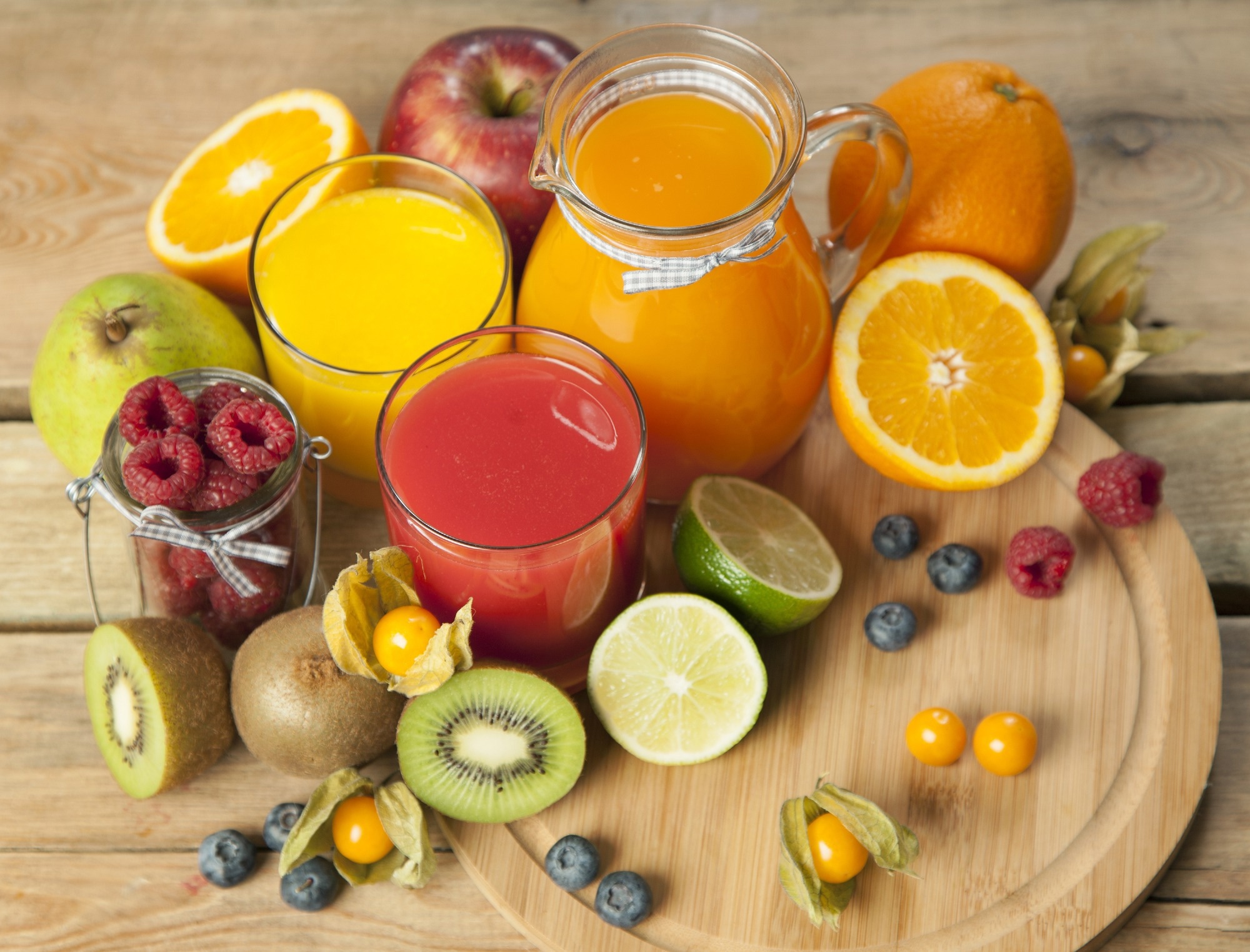 Research: Are (poly)phenols contained in 100% fruit juices mediating their results on cardiometabolic possibility variables? A meta-regression investigation. Image Credit: Lisa A / Shutterstock.com
The health advantages of fruits
Nutritional polyphenols have acquired considerable study interest around the past several decades owing to their well being benefits.
Observational research counsel a reduce chance of cardiovascular condition (CVD) incidence and mortality with a increased intake of important flavonoids. Similarly, evidence from epidemiologic experiments suggests that greater consumption of flavonoids, primarily from fruits, can decrease the possibility of kind 2 diabetes, hypertension, and CVD incidence and mortality.
Fruit juice use is a secondary preference to total fruit consumption thanks to the decline of fiber with extraction and classification of sugars in fruit juices as no cost sugars. Whilst sugar-sweetened beverage consumption harms metabolic wellbeing, consuming 100% fruit juice does not enhance cardiometabolic pitfalls. Nevertheless, there is no information on fruit juice factors exerting beneficial effects.
About the study
In the present review, researchers investigate whether polyphenols in fruit juices mediate specific effects on cardiometabolic chance things. To this end, the researchers systematically searched databases for nutritional intervention studies investigating the effect of polyphenol-containing fruit juices on cardiometabolic danger components. Scientific studies with insufficient statistical data had been excluded.
Qualified scientific studies included randomized controlled trials (RCTs) examining the results of the fruit juice intervention on cardiometabolic hazard things in grownup populations excluding pregnant females and men and women with terminal-phase degenerative diseases. Research have been bundled if they utilised non-polyphenolic drinks as controls, described the polyphenol content of the fruit juice, and assessed lengthy-time period consequences.
Review high-quality was assessed making use of the Cochrane hazard of bias instrument. Independent analyses ended up performed for scientific studies with distinctive polyphenols and measurements for cardiometabolic possibility elements. The imply differences of pre- and submit-intervention alterations ended up approximated among fruit juice and manage teams.
A random-outcomes product was employed to harmonize influence sizes. Heterogeneity was evaluated applying the I-squared statistic and Cochran Q-exam.
Pooled outcomes had been introduced as suggest differences with 95% assurance intervals. Moreover, meta-regression analyses had been utilized to estimate intervention effects, with day-to-day polyphenol ingestion quantity as the moderator.
Fruit juice does not cut down danger of cardiovascular sickness
The preliminary look for determined 6,779 records, which was followed by title and summary screening that excluded 6,616 articles. Total-text assessments further more discovered 124 ineligible research, therefore leaving 39 trials for meta-regression analyses.
20-5 and 14 RCTs implemented parallel and cross-in excess of types, respectively. The period of the intervention ranged involving a person and 16 weeks. Most scientific studies were connected with an unclear hazard of bias.
There have been no major outcomes of the intervention on biomarkers of cardiometabolic hazards. Likewise, no mediating outcome of overall polyphenol content material was noticed. However, in a several sub-group analyses, a marginal protecting influence of juices in lessening lower-density lipoprotein (LDL) cholesterol levels in people today with an greater CVD danger was noticed.
Yet, these consequences were unrelated to the overall polyphenol material. Eighteen comparisons illustrated the impression of fruit juice anthocyanins on whole cholesterol concentrations.
Over-all, a sizeable effect of the intervention on lipid measurements was noticed, irrespective of the anthocyanin ingestion total. This was a dose-dependent partnership, with additional sizeable outcomes for juices large in anthocyanins.
A 100 mg/day increase in anthocyanins was linked with a 1.53 mg/dL decline in full cholesterol degrees. There had been no consequences of anthocyanin-rich juices on substantial-density lipoprotein (HDL) cholesterol levels.
In a sensitivity assessment, elevated anthocyanin articles was involved with lessened blood glucose stages in cross-above trials. No outcomes of anthocyanin-loaded juices on blood strain were being noticed.
Conclusions
The scientists did not observe a sizeable impact of whole polyphenols on any of the examined outcomes. Even so, greater anthocyanin amounts in juices supported LDL and complete cholesterol reductions, with extra powerful effects in persons at substantial hazard of CVD. There have been no outcomes on blood force, triglycerides, or blood glucose.
Taken jointly, the review conclusions indicate that anthocyanins in fruit juices may well mediate useful outcomes on precise lipids. Nevertheless, long term fruit juice trials are required to correlate any likely gains with total and distinct polyphenol written content measurements.
These results suggest potential health added benefits affiliated with growing polyphenols in fruit juices by specific plant breeding or by means of particular fruit types if the existing results are corroborated in the future.
Journal reference:
- Micek, A., Currenti, W., Mignogna, C., et al. (2023). Are (poly)phenols contained in 100% fruit juices mediating their consequences on cardiometabolic danger variables? A meta-regression examination. Frontiers in Diet. doi:10.3389/fnut.2023.1175022

More Stories
Amid nationwide psychological well being crisis, suicide prevention hotlines battle with repeat callers
California regulation aims to force people today with psychological disease to get assistance
California is initial condition to ban 4 food items additives for most cancers, other well being challenges : NPR